
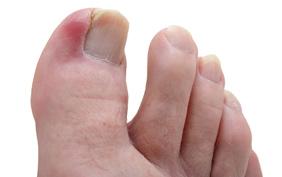
An ingrown toenail may seem like a minor problem at first, but when pain, swelling, and infection begin to interfere with walking or daily activity, professional treatment becomes important. While many mild cases improve with early care, untreated ingrown toenails can worsen over time and lead to significant discomfort. Understanding the causes, symptoms, and treatment options can help patients seek care before complications develop.
What Is an Ingrown Toenail?
An ingrown toenail occurs when the edge of the nail grows into the surrounding skin instead of growing straight outward. This most commonly affects the big toe and can trigger inflammation, redness, tenderness, and infection. As the nail continues to press into the skin, the body reacts with swelling and pain that often worsens with shoes or physical activity.
Ingrown toenails are common in both adults and adolescents and may occur repeatedly without proper treatment.
Common Causes of Ingrown Toenails
Several factors can increase the risk of developing an ingrown toenail. Improper nail trimming is among the most common causes, particularly when nails are cut too short or rounded at the corners. Tight shoes that compress the toes can also force the nail edge into the skin.
Other contributing factors include:
- Repetitive sports activity or trauma to the toe
- Naturally curved or thick toenails
- Excessive sweating
- Poor foot hygiene
- Fungal nail infections
- Diabetes or circulation problems
Some patients are genetically predisposed to ingrown toenails due to the natural shape of their nails.
Symptoms That Should Not Be Ignored
Early symptoms often begin with mild tenderness along the nail border, but the condition can quickly progress if the nail continues to grow into the skin. Common signs include:
- Pain or sensitivity along the edge of the toenail
- Redness and swelling around the nail
- Warmth or drainage from the affected area
- Difficulty wearing shoes comfortably
- Thickened tissue or overgrowth around the nail
When infection develops, pus and worsening swelling may occur. Patients with diabetes should seek evaluation early, as even small foot wounds can become serious without prompt treatment.
Non-Surgical Treatment for Mild Ingrown Toenails
Mild cases may respond to conservative treatment when addressed early. Soaking the foot in warm water can reduce inflammation and soften the surrounding skin. Wearing wider shoes and avoiding pressure on the toe may also help relieve symptoms.
A foot and ankle specialist may gently lift the nail edge, place protective material beneath the nail, or recommend topical medications if irritation is present. However, persistent or recurrent cases often require more definitive treatment.
When Ingrown Toenail Surgery Becomes Necessary
If pain, infection, or recurrence continues despite conservative care, a minor in-office procedure may be recommended. Partial nail avulsion involves removing the ingrown portion of the nail while preserving the healthy section. In recurrent cases, the nail root may also be treated to prevent that portion of the nail from growing back.
These procedures are typically performed under local anesthesia and allow most patients to return to normal activity relatively quickly.
Preventing Future Ingrown Toenails
Preventive care plays a major role in reducing recurrence. Patients should trim toenails straight across rather than rounding the edges and avoid cutting nails excessively short. Properly fitting shoes with adequate toe room can also reduce pressure on the nails during walking and exercise.
For individuals with diabetes, neuropathy, or circulation disorders, regular foot evaluations are essential to identify problems early and prevent complications before they become severe.