
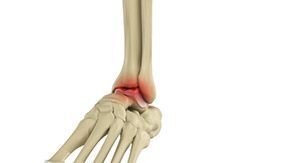
Foot and ankle arthritis can make even simple daily activities feel difficult. Walking, climbing stairs, exercising, or standing for extended periods may become increasingly painful as joint cartilage gradually wears down. While arthritis is often associated with aging, it can also develop after injuries, repetitive stress, inflammatory conditions, or years of abnormal joint mechanics. Understanding the available treatment options is the first step toward improving mobility and protecting long-term joint health.
What Causes Foot and Ankle Arthritis?
Arthritis develops when the cartilage that cushions the joints begins to deteriorate, causing the bones to rub against each other. This leads to inflammation, stiffness, swelling, and progressive pain. The foot and ankle contain more than 30 joints, making them especially vulnerable to degenerative changes over time.
The most common forms of foot and ankle arthritis include:
- Osteoarthritis caused by gradual wear and tear
- Post-traumatic arthritis following fractures or severe sprains
- Rheumatoid arthritis and other inflammatory conditions
- Arthritis related to chronic instability or deformity
Patients often notice worsening stiffness in the morning, swelling after activity, difficulty walking, and pain that gradually limits mobility.
Common Symptoms of Foot and Ankle Arthritis
Symptoms can vary depending on which joints are involved, but several warning signs are common across most forms of arthritis:
- Joint pain during walking or standing
- Stiffness and reduced range of motion
- Swelling around the foot or ankle
- Difficulty with uneven surfaces or stairs
- Grinding or clicking sensations within the joint
- Progressive changes in walking mechanics
As arthritis progresses, symptoms may begin interfering with work, exercise, and normal daily activity.
Non-Surgical Treatment Options for Foot and Ankle Arthritis
Most patients begin with conservative treatment designed to reduce pain, improve function, and slow progression of joint damage. Non-surgical management remains highly effective for many individuals, especially when started early.
Common treatment options include:
Physical Therapy and Exercise
Targeted physical therapy strengthens the muscles surrounding the foot and ankle, improves flexibility, and helps reduce stress on arthritic joints. Low-impact exercises such as swimming, cycling, and stretching are often recommended over high-impact activities.
Orthotics and Bracing
Custom orthotics, supportive footwear, and ankle braces can help redistribute pressure across the joint and improve walking mechanics. Bracing may also provide additional stability in patients with ankle instability or advanced arthritis.
Medications and Injection Therapy
Anti-inflammatory medications such as NSAIDs are commonly used to reduce pain and swelling. Corticosteroid injections may provide temporary relief for inflamed joints, while some patients explore biologic treatments such as platelet-rich plasma (PRP) injections.
Lifestyle Modifications
Weight management, activity modification, and avoiding repetitive high-impact stress can significantly reduce symptoms and slow joint deterioration over time.
Surgical Treatment for Advanced Foot and Ankle Arthritis
When conservative treatment no longer provides adequate relief, surgical intervention may become appropriate. The recommended procedure depends on the severity of arthritis, patient activity level, and which joints are affected.
Common surgical options include:
- Ankle arthroscopy for early-stage arthritis
- Joint fusion (arthrodesis) to eliminate painful motion
- Total ankle replacement for severe ankle arthritis
- Corrective reconstruction for deformity or instability
Modern surgical techniques focus on restoring alignment, reducing pain, and improving long-term function while preserving as much mobility as possible.
When to See a Foot and Ankle Specialist
Persistent foot or ankle pain should not simply be accepted as a normal part of aging. Early evaluation allows specialists to identify the underlying source of arthritis and create a personalized treatment plan before significant joint damage occurs.
Whether treatment involves physical therapy, bracing, injections, or advanced surgical reconstruction, early intervention can help preserve mobility, reduce pain, and improve overall quality of life for patients living with foot and ankle arthritis.